
How to Build a Sales Funnel on a Shoestring Budget
Imagine turning website visitors into paying customers like a skilled conductor leading an orchestra. That's the power of a sales funnel, and contrary to popular belief, you don't need a fortune to build one. In fact, with a little creativity and the right resources, you can craft an effective funnel even when your budget is tighter than a drum. This guide will show you exactly how to build a high-converting sales funnel without breaking the bank.
Understanding the Sales Funnel Basics
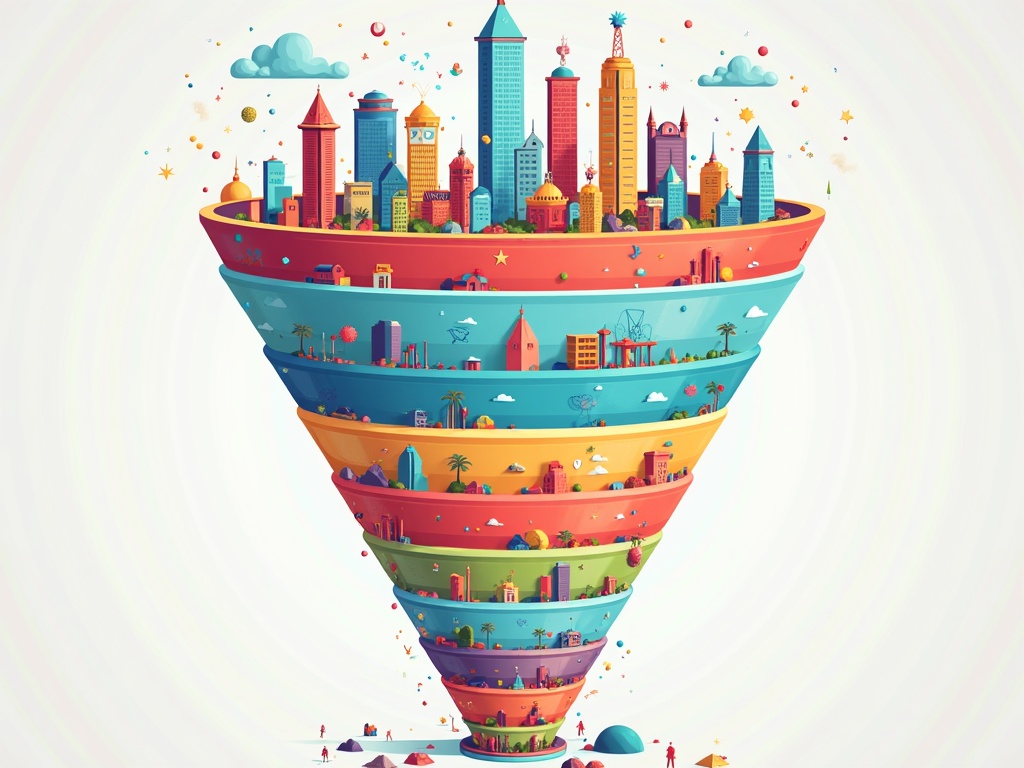
Before diving into the how, let's solidify the what. A sales funnel is a visual representation of the customer journey, from initial awareness to final purchase (and hopefully, continued loyalty). Understanding each stage is crucial for maximizing your efforts.
The Four Stages of a Sales Funnel:
- Awareness: This is where potential customers first learn about your brand or product. Think blog posts, social media updates, or even well-placed online ads. The goal is simple: grab their attention.
- Interest: Once aware, prospects need nurturing. Provide valuable content, offer free resources, and demonstrate your expertise. Email marketing, webinars, and engaging website content are your allies here.
- Decision: Here's where the magic happens. Prospects are weighing their options. Showcase your product's benefits, offer compelling testimonials, and highlight your competitive advantage. Price comparisons and case studies are useful.
- Action: The final stage! Make it easy for customers to buy. Streamline your checkout process, offer various payment options and provide excellent customer support to encourage repeat purchases and build loyalty.
Why Build a Funnel on a Budget?
You might be thinking, Why not just splurge on fancy software and call it a day? Here's why the budget-friendly approach is often the smarter one:
- Proof of Concept: Before investing heavily, test your ideas. A low-cost funnel allows you to validate your product and marketing strategy without significant financial risk.
- Agility and Flexibility: With cheaper tools, you aren't locked into expensive contracts. You can quickly adapt your funnel based on performance data and customer feedback.
- Resourcefulness Breeds Innovation: Limited resources force you to be creative and find innovative solutions. This can lead to truly unique and effective funnel strategies.
- Focus on Fundamentals: Building a funnel on a budget compels you to prioritize the core elements: compelling content, clear messaging, and a smooth user experience.
Step-by-Step Guide to Building Your Budget Funnel
Alright, let's get practical. Here's how to construct your funnel without emptying your wallet:
1. Define Your Target Audience (Seriously!)
This isn't optional! Before you do anything else, clearly define who you're trying to reach. What are their pain points? What motivates them? Where do they spend their time online? The more specific you are, the more effective your funnel will be. Create detailed buyer personas to keep your ideal customer top of mind. Use free tools like Google Analytics demographics data to understand your existing audience better.
2. Craft a Compelling Lead Magnet (Freebie with a Punch)
Your lead magnet is the bait that attracts potential customers into your funnel. It should be something valuable and relevant to your target audience that you give away for free in exchange for their email address. Examples include:
- Ebooks or Guides: Offer in-depth knowledge on a specific topic.
- Checklists or Templates: Provide practical tools to solve a common problem.
- Free Trials or Demos: Let prospects experience your product firsthand.
- Webinars or Online Workshops: Share your expertise and engage with your audience live.
Canva (free plan) is an excellent resource for creating visually appealing lead magnets.
3. Choose Your (Affordable) Funnel Tools
Here's where you can really save money. You don't need the most expensive software to build a functional funnel. Focus on tools that offer essential features at a reasonable price (or even for free with limitations). Some options include:
- Landing Page Builders: ConvertKit (free plan), Mailchimp (free plan with landing pages), Carrd (affordable one-page websites).
- Email Marketing: Mailchimp (free for up to 2,000 contacts), Sendinblue (free plan with limited emails), MailerLite (generous free plan).
- CRM (Customer Relationship Management): HubSpot CRM (free), Bitrix24 (free for small teams), Zoho CRM (free for up to 3 users).
- Analytics: Google Analytics (free), Microsoft Clarity (free – provides heatmaps and session recordings).
Carefully compare the features and pricing of different tools to find the best fit for your needs and budget. Don't be afraid to start with free plans and upgrade as your business grows.
4. Design Your Landing Page ( Simplicity is Key )
Your landing page is where visitors land after clicking on your ad or link. It's crucial for capturing leads and guiding them further into your funnel. Focus on these key elements:
- A Clear Headline: Immediately communicate the value of your offer.
- A Concise Description: Explain the benefits of your lead magnet in a few sentences.
- A Visually Appealing Design: Use relevant images or videos to enhance your message.
- A Strong Call to Action: Tell visitors exactly what you want them to do (e.g., Download Now, Get Your Free Guide).
- A Simple Opt-in Form: Ask only for essential information (usually name and email).
Keep your design clean and uncluttered. Remove any distractions that might prevent visitors from completing the form.
5. Craft an Engaging Email Sequence (Nurture, Nurture, Nurture)
Once someone subscribes to your list, don't let them languish! Send a series of automated emails that nurture the relationship and guide them towards a purchase. Here's a basic structure:
- Email 1: Welcome and Deliver Your Lead Magnet. Thank them for subscribing and provide immediate access to the promised freebie.
- Email 2: Introduce Your Brand Story. Share your company's mission and values to build trust and rapport.
- Email 3: Address Their Pain Points. Discuss the challenges your target audience faces and position your product as the solution.
- Email 4: Showcase Social Proof. Share testimonials, case studies, or reviews to demonstrate the value of your product. A well-placed testimonial can work wonders!
- Email 5: Make a Compelling Offer. Present a special discount, bonus, or limited-time offer to incentivize a purchase.
Personalize your emails as much as possible using the subscriber's name and other relevant information. Write in a conversational tone and focus on providing value with every email. Don't just sell, educate, and entertain!
6. Drive Traffic to Your Funnel (Free and Low-Cost Tactics)
Once your funnel is built, you need to get people into it! Here are some budget-friendly traffic generation strategies:
- Social Media Marketing: Share valuable content and engage with your audience on platforms like Facebook, Twitter, LinkedIn, and Instagram. Focus on the platforms where your target audience spends the most time.
- Content Marketing: Create blog posts, articles, videos, and infographics that address your target audience's needs and interests. Optimize your content for search engines using relevant keywords.
- SEO (Search Engine Optimization): Optimize your website and content to rank higher in search engine results. Focus on long-tail keywords and provide valuable, informative content.
- Guest Blogging: Write guest posts for other websites in your niche to reach a wider audience and build backlinks to your website.
- Online Communities: Participate in relevant online communities and forums to share your expertise and promote your lead magnet.
- Email Marketing (to existing contacts): Promote your lead magnet to your existing email subscribers.
- Affiliate Marketing: Partner with other businesses or influencers to promote your products or services. Here's a helpful guide to setting up an affiliate marketing program.
7. Track, Analyze, and Optimize (Continuous Improvement)
Building a funnel is an ongoing process. You need to track your results, analyze your data, and make adjustments to improve your performance. Pay attention to these key metrics:
- Conversion Rates: Track the percentage of visitors who complete each stage of your funnel (e.g., landing page conversion rate, email open rate, click-through rate, sales conversion rate).
- Cost Per Lead: Calculate how much it costs you to acquire a new lead.
- Customer Lifetime Value: Estimate the total revenue you expect to generate from each customer over their relationship with your business.
Use tools like Google Analytics and your email marketing platform to track these metrics. Identify areas where your funnel is underperforming and experiment with different strategies to improve your results. For example, you might try A/B testing different landing page headlines or email subject lines.
Common Budget Funnel Mistakes to Avoid
**Ignoring Mobile:Ensure your landing pages and emails are mobile-friendly.
**Overlooking Security:Secure your website with HTTPS to build trust.
**Neglecting Customer Service:Provide prompt and helpful support.
**Being Impatient:Building a successful funnel takes time and effort.
**Trying to Do Everything at Once:Start small and scale gradually.
Final Thoughts: Building a Thriving Funnel on a Budget
Building a sales funnel on a budget is entirely achievable. It requires creativity, resourcefulness, and a willingness to experiment. By focusing on the core principles of funnel building – understanding your audience, crafting a compelling offer, and nurturing relationships – you can create a high-converting funnel that drives sales and grows your business, all without breaking the bank. Now go forth and build!
