
Unlocking the Secrets of the AIDA Model for Marketing Funnels
Imagine your ideal customer. They're out there, scrolling, searching, and sifting through a mountain of information, just waiting to discover *yoursolution. But how do you cut through the noise and guide them, step-by-step, from a state of unawareness to becoming a loyal, raving fan? The answer, my friend, lies in a time-tested framework known as the AIDA model.
What is the AIDA Model? A Journey Through the Funnel
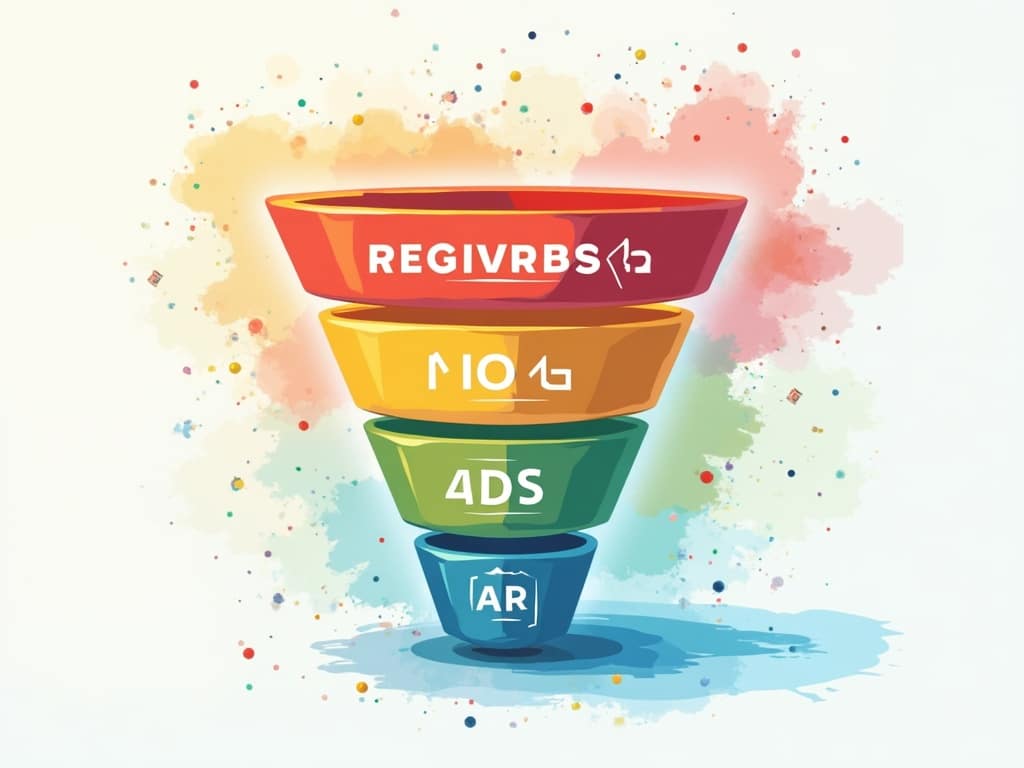
AIDA stands for Awareness, Interest, Desire, and Action. It's a marketing model that describes the stages a customer goes through during the buying process. Think of it as a roadmap for your marketing funnel, guiding prospects from their initial encounter with your brand to the ultimate conversion.
**Awareness:The prospect becomes aware of a product, service, or brand.
**Interest:The prospect develops an interest in learning more about the product or service.
**Desire:The prospect develops a desire to own or use the product or service.
**Action:The prospect takes action, such as making a purchase or contacting the company.
The AIDA model isn't just a theoretical concept; it's a practical tool that can be applied across various marketing channels, from social media and email marketing to content creation and advertising. By understanding each stage of the AIDA model, marketers can craft more effective campaigns that resonate with their target audience and drive conversions.
The Four Pillars of AIDA: A Deep Dive
Let's break down each stage of the AIDA model and explore how you can leverage it to optimize your marketing funnel.
1. Awareness: Grabbing Their Attention
In the awareness stage, your primary goal is to make your target audience aware of your existence. This is where first impressions matter. You want to capture their attention and make them stop scrolling, clicking, or switching channels.
**Strategies for Building Awareness:**
**Targeted Advertising:Utilize platforms like Google Ads, Facebook Ads, and LinkedIn Ads to reach a specific audience based on demographics, interests, and behaviors.
**Social Media Marketing:Create engaging content that is relevant to your target audience and share it on various social media platforms.
**Public Relations:Secure media coverage in relevant publications and websites to increase brand visibility.
**Search Engine Optimization (SEO):Optimize your website and content for relevant keywords to improve your search engine rankings.
**Content Marketing:Create valuable and informative content, such as blog posts, articles, and videos, that attract and engage your target audience.
**Examples in Action:A skincare company might run targeted Instagram ads showcasing before-and-after photos, immediately grabbing the attention of users interested in skincare solutions. A local bakery could partner with a food blogger for a review, exposing their treats to a wider audience within their geographic area.
2. Interest: Nurturing Curiosity
Once you've captured their attention, the next step is to pique their interest. You need to provide compelling information that makes them want to learn more about your product or service.
**Strategies for Building Interest:**
**Compelling Website Copy:Create website copy that clearly articulates the benefits of your product or service.
**Engaging Blog Posts:Write blog posts that address the pain points of your target audience and offer solutions.
**Informative Videos:Create videos that demonstrate the features and benefits of your product or service.
**Email Marketing:Send targeted email campaigns that provide valuable information and build relationships with your subscribers.
**Case Studies:Showcase how your product or service has helped other customers achieve their goals.
**Webinars & Free Resources:Offer free webinars, e-books, or templates that provide valuable insights and actionable strategies.
**Examples in Action:An accounting software company might publish a blog post titled 5 Ways Our Software Can Save You Time and Money During Tax Season. A travel agency could send an email newsletter featuring breathtaking photos of a popular destination, enticing recipients to dream of their next vacation.
3. Desire: Creating an Emotional Connection
Now it's time to transform that interest into a burning desire. This is where you need to connect with your audience on an emotional level and make them *wantyour product or service.
**Strategies for Building Desire:**
**Highlighting Benefits, Not Just Features:Focus on how your product or service will improve the lives of your customers. Explain how it will solve their problems, fulfill their needs, and make them happier.
**Social Proof:Showcase testimonials, reviews, and ratings from satisfied customers, demonstrating that others have had positive experiences with your product or service.
**Creating Scarcity:Use limited-time offers, special promotions, and exclusive deals to create a sense of urgency and encourage prospects to take action.
**Storytelling:Share compelling stories that resonate with your target audience and demonstrate the value of your product or service.
**Building a Strong Brand:Develop a brand identity that reflects your values and resonates with your target audience.
**Examples in Action:A luxury car brand might create an advertisement that showcases the thrill of driving their vehicle, emphasizing the feeling of freedom and prestige. A non-profit organization could share heartwarming stories of how their work is making a difference in the lives of others, inspiring viewers to donate.
4. Action: Guiding Them to the Finish Line
The final stage of the AIDA model is action. This is where you make it easy for prospects to take the desired action, such as making a purchase, signing up for a free trial, or contacting your sales team. [externalLink insert]
**Strategies for Driving Action:**
**Clear Call to Action (CTA):Use clear and concise CTAs, such as Buy Now, Sign Up Today, or Contact Us, to guide prospects toward the desired action.
**Easy Checkout Process:Make it as easy as possible for customers to complete their purchase.
**Multiple Payment Options:Offer a variety of payment options to accommodate different customer preferences.
**Free Shipping and Returns:Offer free shipping and returns to reduce the risk of making a purchase.
**Excellent Customer Service:Provide excellent customer service to address any questions or concerns that prospects may have.
**Examples in Action:An e-commerce website might feature a prominent Add to Cart button on its product pages. A software company could offer
Understanding is the first step. Structure creates momentum.
If you’d like a structured version of this process, you can download the free guide here and begin building intentionally.
